




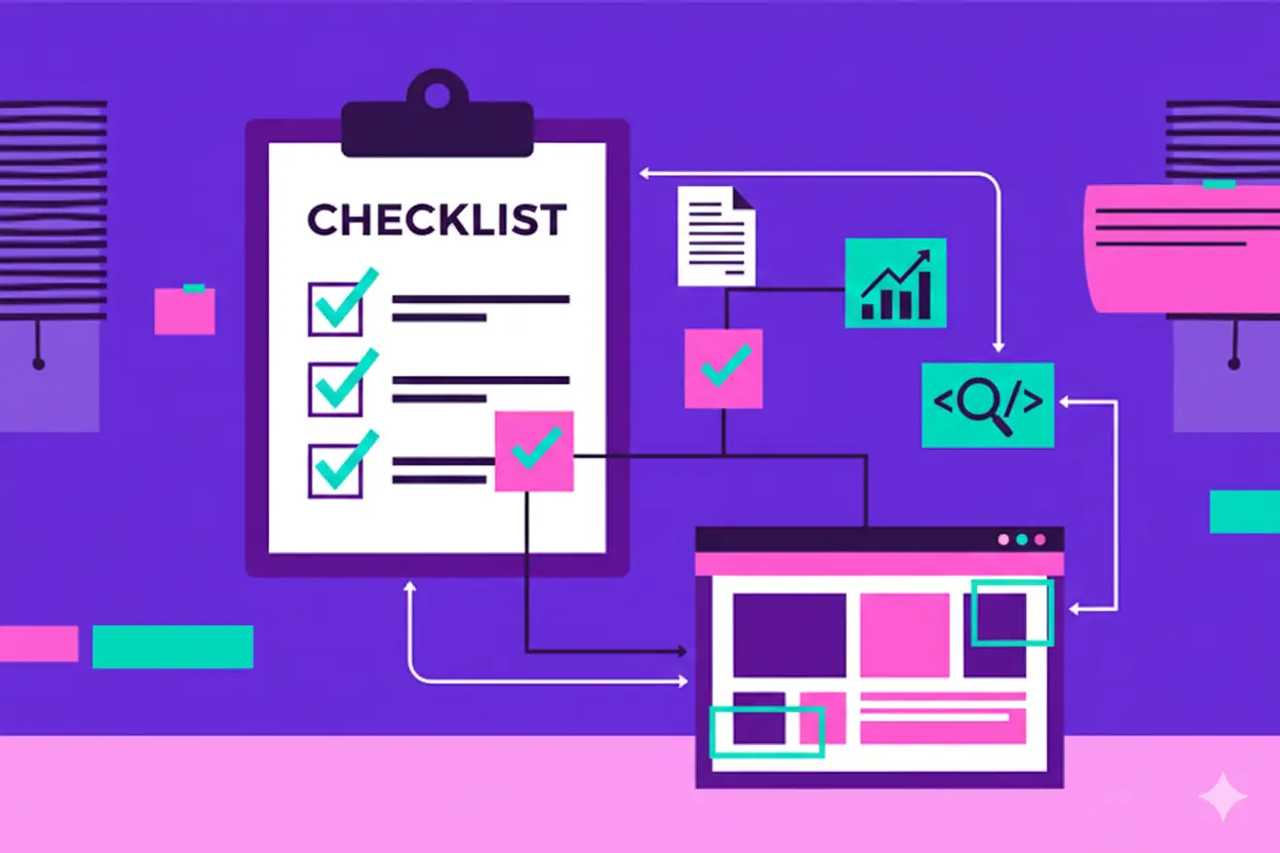
Article schema clarifies who wrote your content, when it was published, and what it covers.
Here is the direct answer up front: add JSON-LD with headline, description, author (Person), publisher (Organization), datePublished, dateModified, image, mainEntityOfPage, about/mentions, and sameAs links; validate it; keep it fresh; and monitor errors and AI citations weekly.
This guide shows how to implement Article schema for blogs, news, and SaaS docs, tying it to E-E-A-T and AI Overviews.
Why Article schema matters for AI and SEO
- Search and AI assistants need clear authorship and dates to trust and cite content.
- Article schema improves eligibility for rich results and Top Stories (when policy-compliant).
- Linking Article to Person and Organization entities boosts E-E-A-T signals and reduces mis-attribution.
- about/mentions connect your article to topical entities, helping AI pick the right source.
Core properties to include
- headline (match on-page title)
- description
- image (high-quality, accessible)
- author (Person with @id, name, jobTitle, sameAs)
- publisher (Organization with @id, name, logo, sameAs)
- datePublished, dateModified (real dates)
- mainEntityOfPage (canonical URL)
- about and mentions (entities/topics)
- inLanguage (for multilingual sites)
- articleSection and wordCount (optional but useful)
Article vs BlogPosting vs NewsArticle
- Article/BlogPosting: Use for standard blog and evergreen content.
- NewsArticle: Use for news content that meets Google News policies; add dateline and more frequent updates.
- Pick the subtype that matches the content; avoid mislabeling to chase features.
Example JSON-LD (Article with Person and Organization)
{
  "@context": "https://schema.org",
  "@type": "Article",
  "@id": "https://example.com/blog/ai-search#article",
  "headline": "AI Search Ranking Factors: 2025 Guide",
  "description": "What drives AI search visibility and how to optimize for AI Overviews, Copilot, and Perplexity.",
  "image": "https://example.com/images/ai-search-guide.png",
  "author": {
    "@type": "Person",
    "@id": "https://example.com/authors/jdoe#person",
    "name": "Jamie Doe",
    "jobTitle": "Head of SEO",
    "url": "https://example.com/authors/jdoe",
    "sameAs": ["https://www.linkedin.com/in/jamiedoe"]
  },
  "publisher": {
    "@type": "Organization",
    "@id": "https://example.com/#org",
    "name": "Example Co.",
    "url": "https://example.com/",
    "logo": {"@type": "ImageObject","url": "https://example.com/logo.png"},
    "sameAs": ["https://www.linkedin.com/company/example"]
  },
  "datePublished": "2025-02-01",
  "dateModified": "2025-03-10",
  "mainEntityOfPage": "https://example.com/blog/ai-search",
  "about": [{"@id": "https://example.com/#ai-search"}],
  "mentions": [{"@id": "https://example.com/#schema"}]
}
Ensure headline and dates match what users see; keep images live and optimized.
Implementation workflow
- Map CMS fields (title, excerpt, image, author, dates) to JSON-LD template.
- Assign stable @id for Article, Person, Organization; reuse across pages.
- Add about/mentions for key entities/topics; align with your glossary.
- Validate in staging with Rich Results Test and Schema Markup Validator.
- Deploy; monitor Search Console and crawls for errors.
- Re-run prompt panels for priority articles to check AI citations and wording.
- Log changes in a changelog with date, owner, and prompts retested.
E-E-A-T alignment
- Use real authors with bios, headshots, roles, and sameAs (LinkedIn, speaker pages).
- Keep publisher Organization schema consistent sitewide; logo and brand sameAs must resolve.
- For YMYL, add reviewer notes and cite authoritative sources; keep dateModified current.
- Link author pages from articles and vice versa; ensure schema matches visible bylines.
Multilingual considerations
- Add inLanguage to Article; localize headline, description, and about/mentions labels.
- Keep @id stable; align hreflang and canonicals across EN/PT/FR versions.
- sameAs should point to locale-specific profiles when applicable.
- Avoid mixing languages in one schema block; use separate localized pages.
Combining Article with other types
- FAQPage: add for in-article FAQs; ensure questions/answers are visible.
- HowTo: for step sections with clear steps and times.
- BreadcrumbList: to reinforce hierarchy.
- VideoObject: if the article embeds a primary video.
- Keep relationships clear; avoid duplicate item types for the same content.
Governance and QA
- Version control templates; require review for schema changes.
- Lint in CI; block deploys on missing required fields or mismatches.
- Weekly: sample articles to confirm headline/date/author alignment and live assets.
- Quarterly: audit coverage, sameAs completeness, date freshness, and errors/warnings.
- Changelog: track template updates and major article edits; include prompts to retest.
Audit checklist (per template)
Headline matches on-page title; description present.
Image accessible (200), proper dimensions.
Author Person with sameAs; publisher Organization with logo and sameAs.
datePublished/dateModified accurate and visible.
mainEntityOfPage set to canonical URL.
about/mentions present and aligned to glossary entities.
inLanguage, hreflang, and canonicals aligned for localized versions.
No duplicate Article nodes; no conflicting plugins.
Measurement and reporting
Track Article/NewsArticle/BlogPosting errors and warnings in Search Console and crawls; resolve within SLA.
Monitor rich result impressions/CTR and Top Stories eligibility (if news); annotate releases.
Log AI citations for priority prompts; measure inclusion/share and accuracy for author/date/topic wording.
Watch freshness: % of priority articles updated (content + schema) in last 90 days; prioritize stale top performers.
Segment analytics by cluster to see where schema + answer-first improvements lift engagement and conversions.
Capture before/after AI answer screenshots for leadership and training.
Experiment ideas
Move author bios higher; track author name accuracy in AI answers.
Add about/mentions for key entities; measure citation share on entity-focused prompts.
Test FAQ blocks on multi-question articles; monitor AI coverage and CTR.
Add recap blocks before conclusions; see if AI lifts summaries more often.
Localize schema fields and compare wrong-language citations before/after hreflang fixes.
Update dateModified with real edits monthly on evergreen posts; watch citation retention.
Prompts for editorial QA and AI checks
“Who wrote
and when was it updated?” “What does
say about ?” “Summarize
from .” “Does
recommend “What sources does
cite for ?”
Use these to catch misattribution, stale dates, or missing context.
CMS and platform notes
WordPress: Prefer theme-based JSON-LD; disable overlapping plugin outputs; add about/mentions via custom fields if needed.
Headless/SPA: Render JSON-LD server-side or inject early; confirm rendered HTML contains schema; prerender if validators miss client-only markup.
Static/MDX: Map front matter to schema; enforce required fields with content linting; use layout components with built-in JSON-LD.
News sites: Ensure publisher logo and policies are met; keep images per Google specs; update frequently for freshness.
Editorial governance
Pre-publish checklist: answer-first lead, sources, author bio linked, schema validated, dateModified accurate, assets live.
Byline consistency: same spelling, sameAs, job titles across articles and schema.
Train editors to update schema when content changes; log updates with prompts to retest.
For YMYL, include reviewer info and authoritative sources; store reviewer fields in CMS and map to schema when applicable.
Scaling across large libraries
Group by template; sample validations per group, not just a few URLs.
Use crawlers to compare headline/author/dates vs schema to catch mismatches.
Maintain a glossary for about/mentions so entities stay consistent across thousands of articles.
Prioritize top traffic/revenue clusters for refresh; set rolling cadences.
Archive or update outdated content; adjust schema accordingly.
Risk management
Avoid fake freshness; only update dateModified with real edits.
Do not use generic “Team” authors; real authors strengthen E-E-A-T.
Mark up only visible FAQs/steps; hidden content erodes trust.
Keep assets (logo, author photos) reliable; fix 4xx/5xx fast.
Clarify canonical/mainEntityOfPage for syndicated content to avoid duplication issues.
Monitor wrong-language citations; fix hreflang/schema alignment quickly.
Article Entity Scorecard (quick self-check)
Real author Person with sameAs and bio; publisher Organization with logo and sameAs.
Headline, description, image, and dates match the page and load fast.
about/mentions filled from glossary; entities linked consistently.
Schema validated; zero critical errors; no duplicates.
Freshness: updated within 90 days (or clearly marked evergreen with current facts).
AI prompts show correct author/date/topic; no misquotes.
Changelog entry exists with last update date and owner.
Training and documentation kit
Templates for Article schema and author bios.
SOPs for editors on adding/updating schema fields, refreshing dates, and spot validations.
Changelog template for tracking article updates and prompt retests.
Glossary/ontology for about/mentions.
“Good vs bad schema” examples with screenshots; short video walkthroughs for onboarding.
Tying Article schema to internal linking and clusters
Link articles to pillar pages with descriptive anchors; add BreadcrumbList to reinforce hierarchy.
Use about/mentions to mirror cluster topics; keep anchors consistent with entities.
Cross-link related articles and FAQs; ensure localized versions link correctly with hreflang.
Add summary boxes linking to deeper resources; helps AI and users navigate.
Localization playbook (EN/PT/FR)
Translate headline/description; keep @id stable; adjust sameAs to locale profiles when available.
Localize about/mentions labels if exposed; keep entity IDs constant.
Match date formats to locale; ensure page language matches schema inLanguage.
Validate localized pages separately; avoid mixed-language content in one schema block.
Run prompt panels per language to confirm correct citations and language in AI answers.
After-deployment monitoring cadence
Weekly: sample validations; monitor errors; run prompt checks for top articles; fix critical issues.
Monthly: trend rich results, AI citations, freshness coverage; review top-traffic articles for alignment.
Quarterly: full audit of templates, glossary, authorship consistency, and asset health; refine about/mentions; retire stale content.
Monitoring and KPIs
Schema errors/warnings for Article/NewsArticle/BlogPosting.
Rich result impressions/CTR where applicable; Top Stories eligibility if relevant.
AI citations for key prompts; accuracy of author/date/topic in answers.
Freshness: % of priority articles updated (content + schema) in last 90 days.
Engagement on cited articles (scroll depth, time on page) and conversions if applicable.
Time-to-fix for schema errors and inaccuracies.
Analytics and attribution tips
Tag cited articles in dashboards to compare conversion and engagement lift after schema and content updates.
Track brand/entity queries that rise after citation gains; note timelines in annotations.
Use scroll-depth events to see if readers reach source boxes and FAQs; AI-ready content should be clear for humans too.
Compare AI citation periods with direct/assistant referral spikes to infer impact where referrers are opaque.
Share a monthly one-pager with screenshots, metrics, and upcoming fixes to keep stakeholders aligned.
Guardrails for AI-assisted drafting
- Require human fact-checking, sources, and SME review before publishing AI-assisted drafts.
- Ensure authorship stays with real people; do not set AI as the author.
- Validate schema after AI edits; verify headline/description alignment and dateModified updates.
- Keep a policy for AI use; include in editorial guidelines and train contributors.
- Avoid duplicate language across articles; AI can repeat patterns that reduce uniqueness and trust.
Case snapshots (anonymized)
- B2B SaaS: Adding Article + Person + Organization with about/mentions on 15 posts raised Perplexity citation share from 9% to 22%; demo conversions on cited posts +11%.
- Publisher: Cleaning author bios, dates, and images reduced Article schema errors to zero; Top Stories eligibility restored; AI Overview citations increased on evergreen guides.
- Healthcare blog: Localized Article schema with reviewer notes cut misattributed answers in Copilot; organic clicks from rich results +8%.
Anti-patterns to avoid
- Fake or generic authors; missing bios or sameAs.
- Stale dateModified without real content updates.
- Using NewsArticle for non-news content.
- Duplicate Article nodes from plugins and manual code.
- Marking hidden FAQs or steps; only mark visible content.
- Blocking assistant/search bots while expecting citations.
How AISO Hub can help
We build Article schema as part of an entity-aware content system.
AISO Audit: Article schema and author/publisher health check with a prioritized fix list.
AISO Foundation: Templates, IDs, sameAs, and governance for editors and devs.
AISO Optimize: Roll out about/mentions, FAQ/HowTo, and run prompt panels to raise AI citations.
AISO Monitor: Dashboards and alerts for schema health, rich results, and AI citations.
Conclusion
Article schema ties your content to real authors and a trusted publisher, making it easier for search engines and AI assistants to cite you.
Implement clean JSON-LD with accurate dates, authors, and entities; validate and monitor; keep it fresh and aligned across locales.
Pair this with answer-first content and internal links to pillars, and your articles become reliable sources in AI Overviews and chat answers.
If you want a partner to implement and govern this at scale, AISO Hub is ready to audit, build, optimize, and monitor so your articles show up wherever people ask.